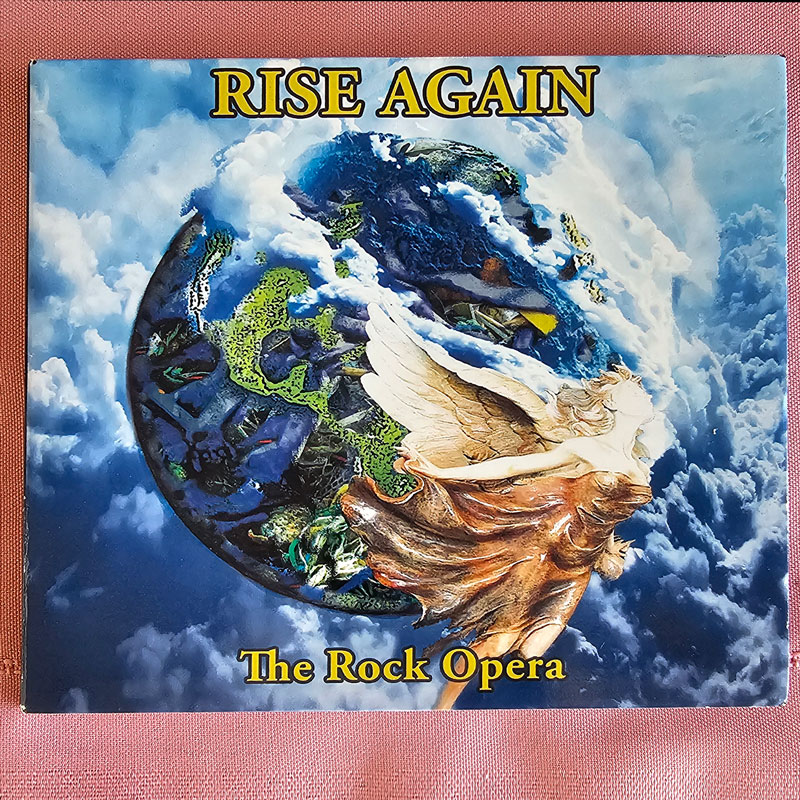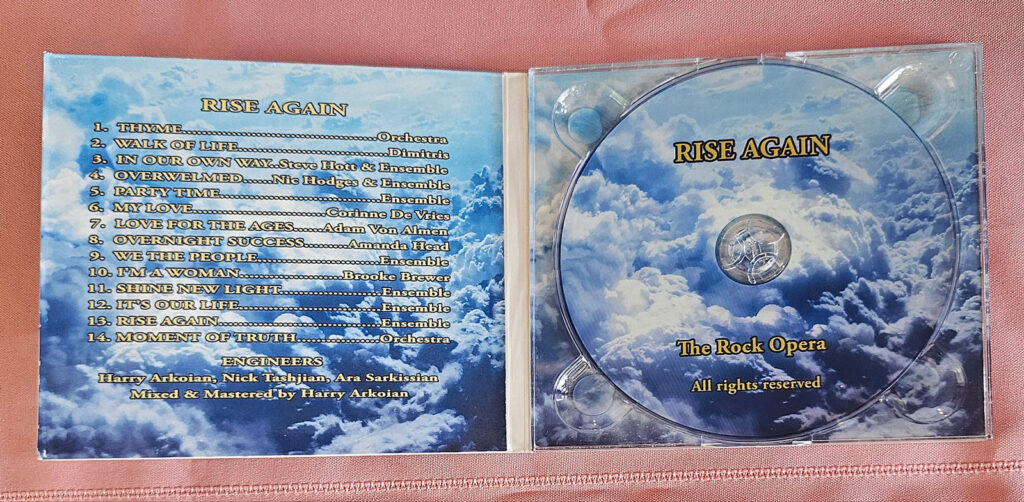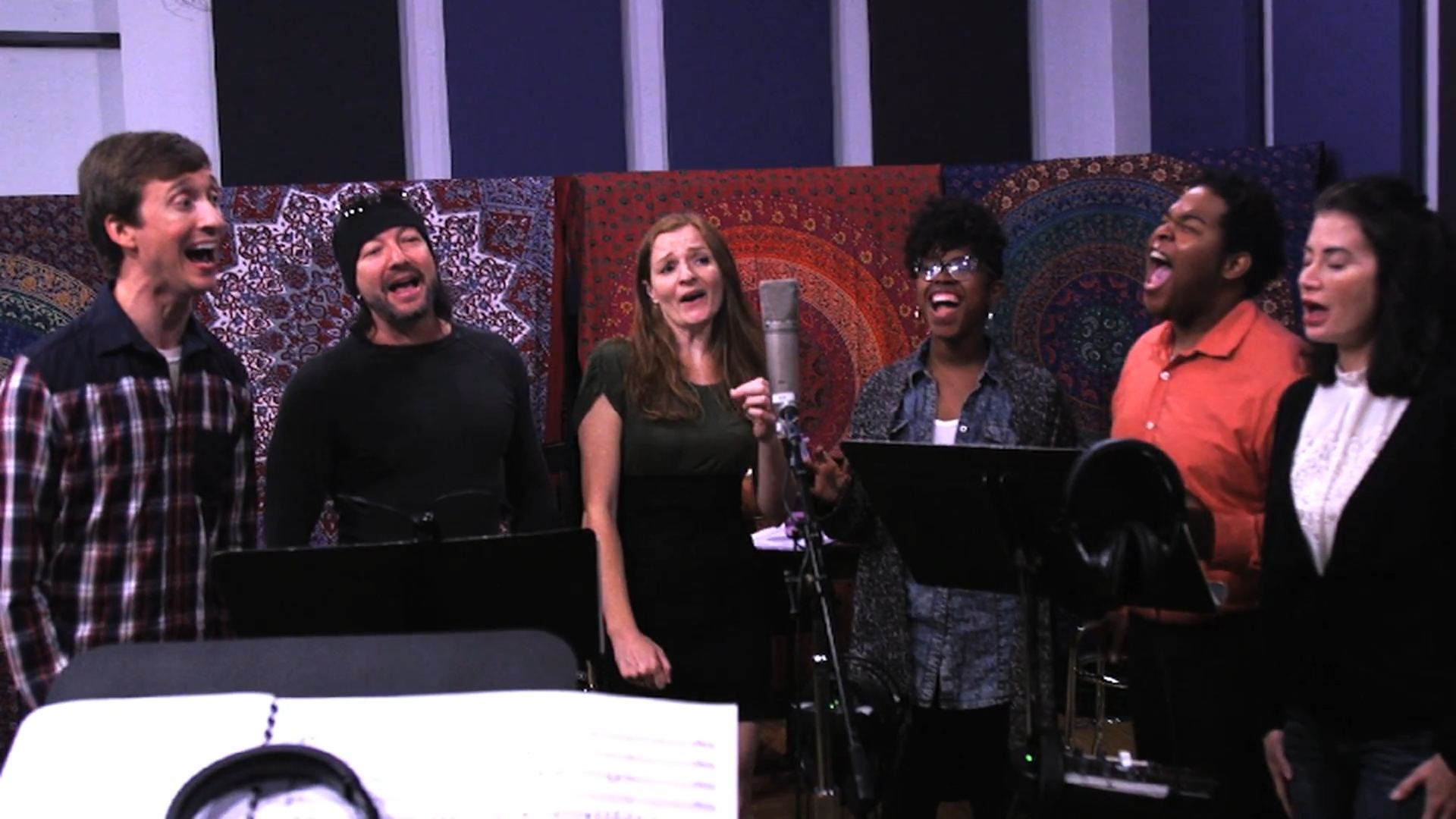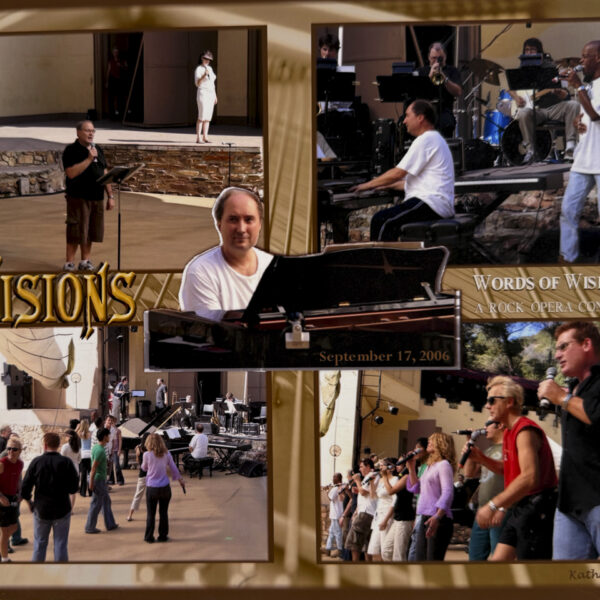
Some stories are too big for a song and too loud for a stage play. That’s the space Raymond Kulick and Dimitris Papakostas have been working in — the rock opera, where lyric and score carry the whole weight of a narrative together. Kulick writes the words; Papakostas builds the music around them. What began as a shared love of the form has turned into a real creative partnership. They’re an opening statement. More is already in the works.
Visions: Words of Wisdom (17m Doc)
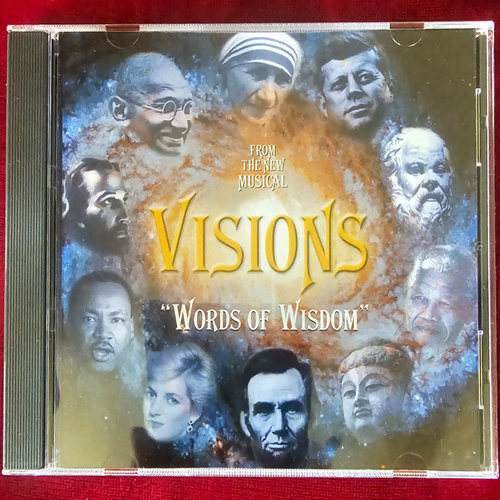
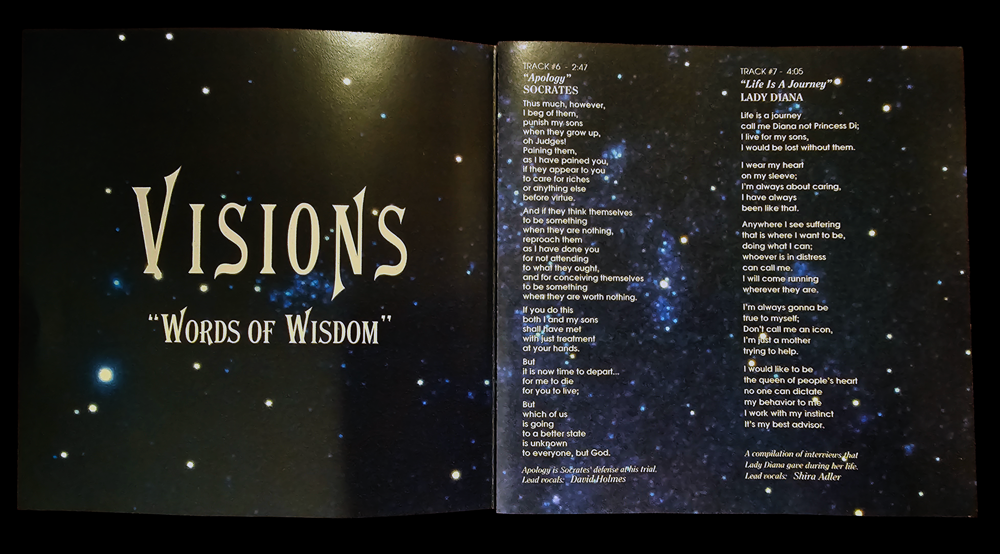
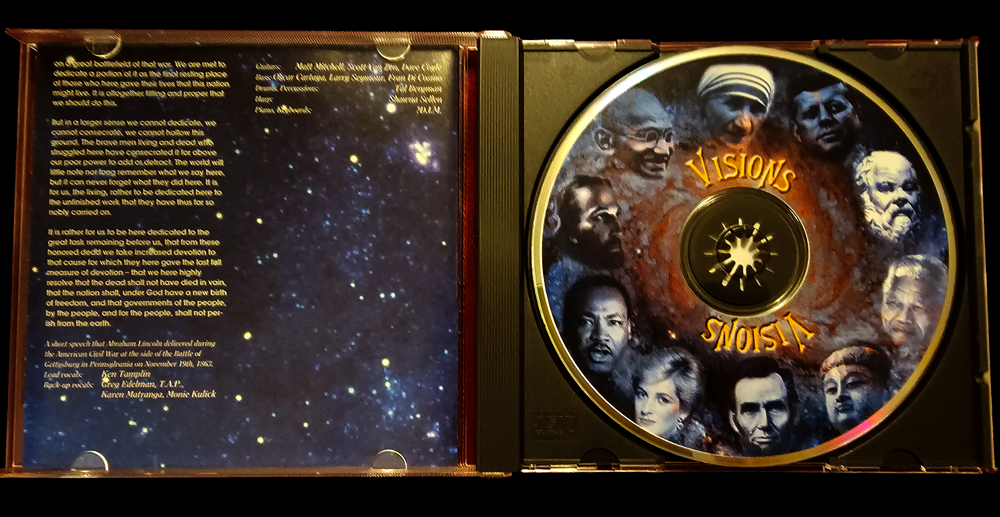
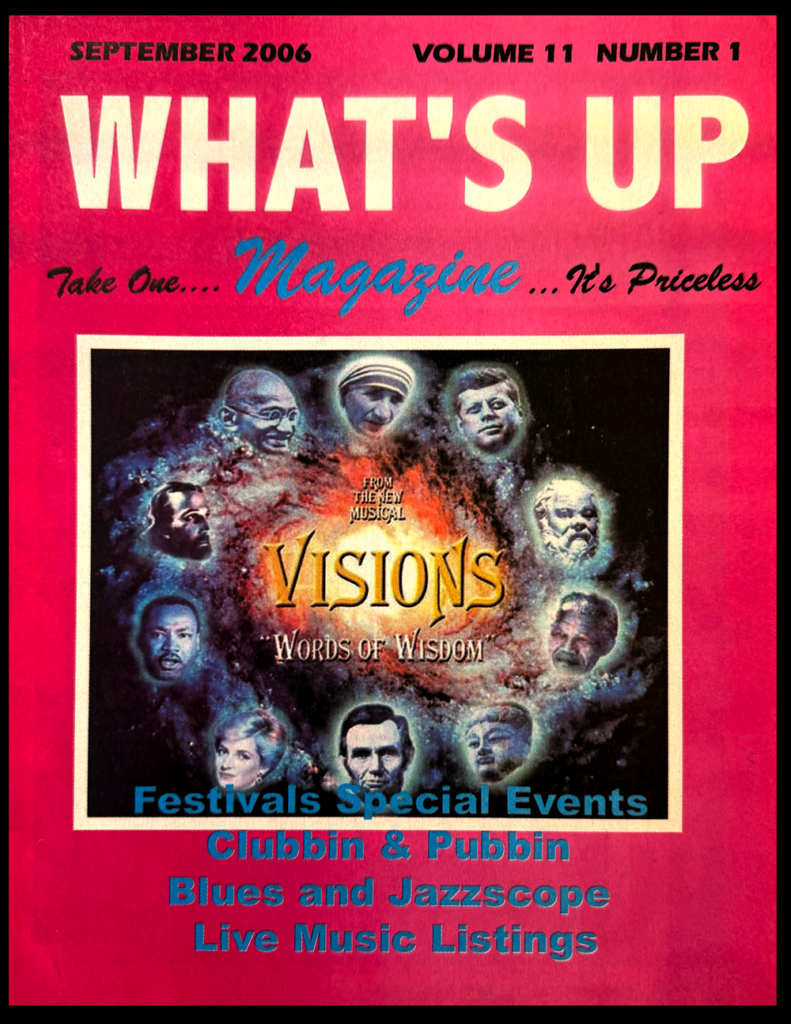
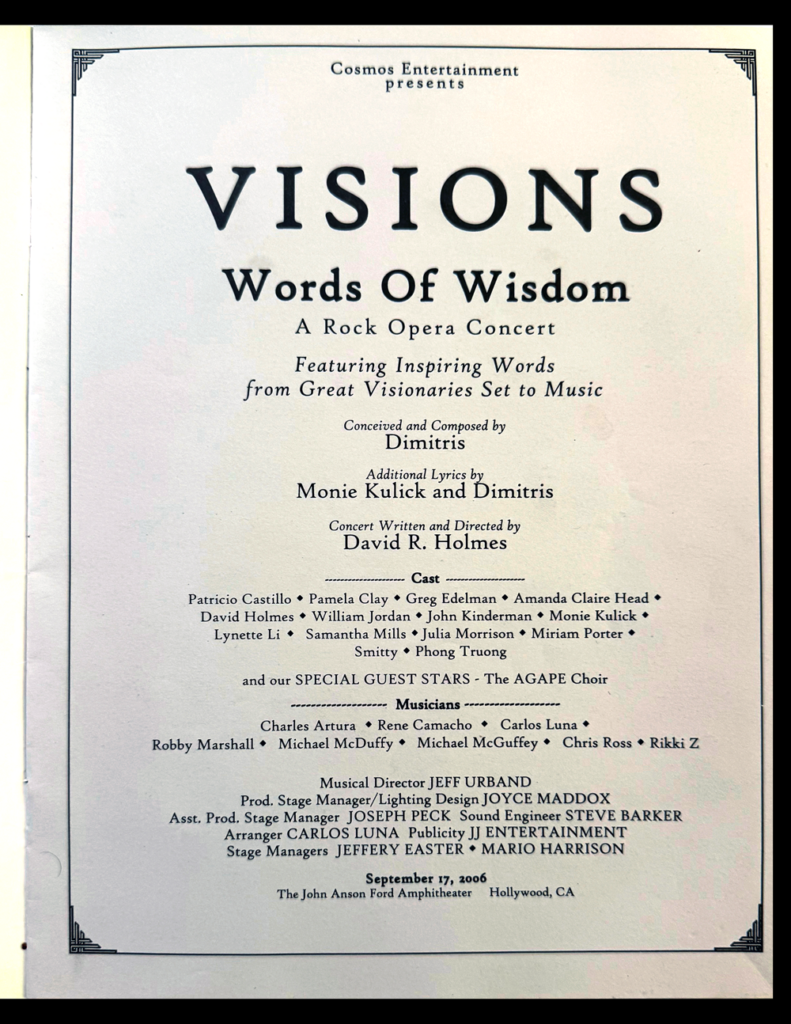
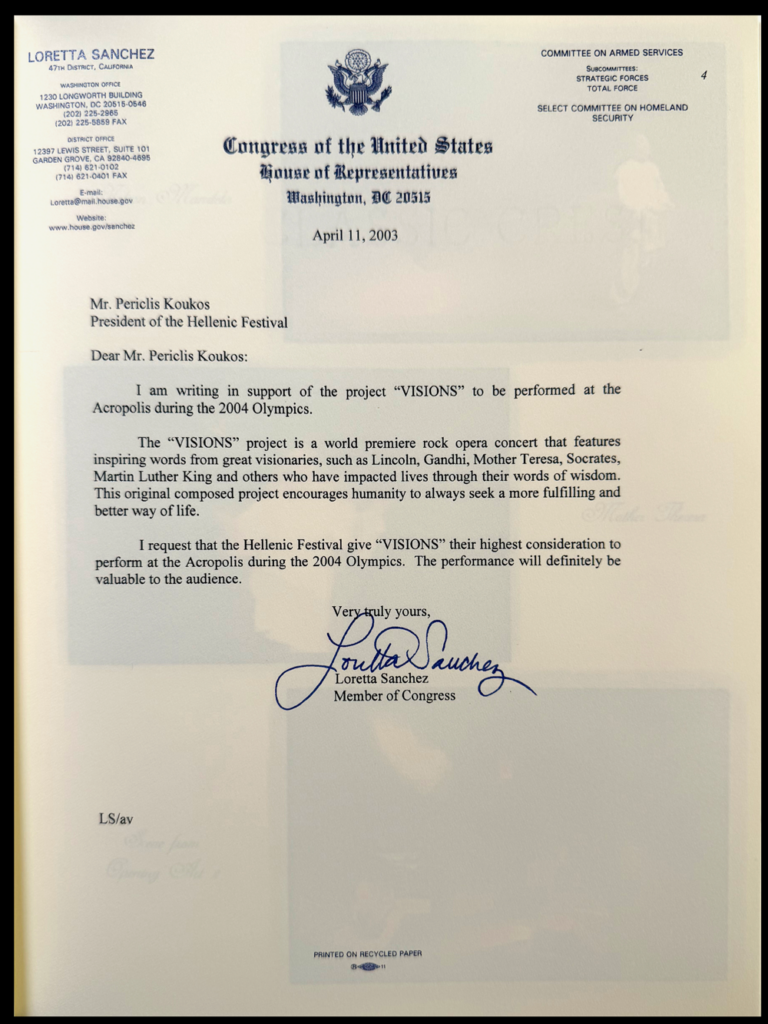
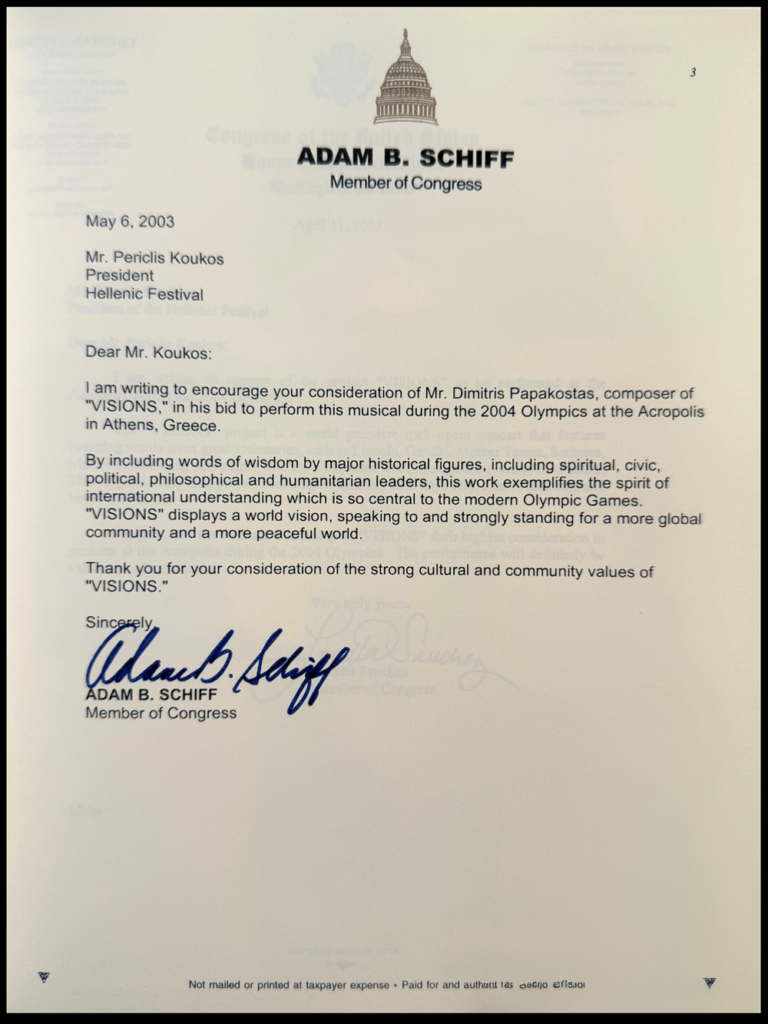
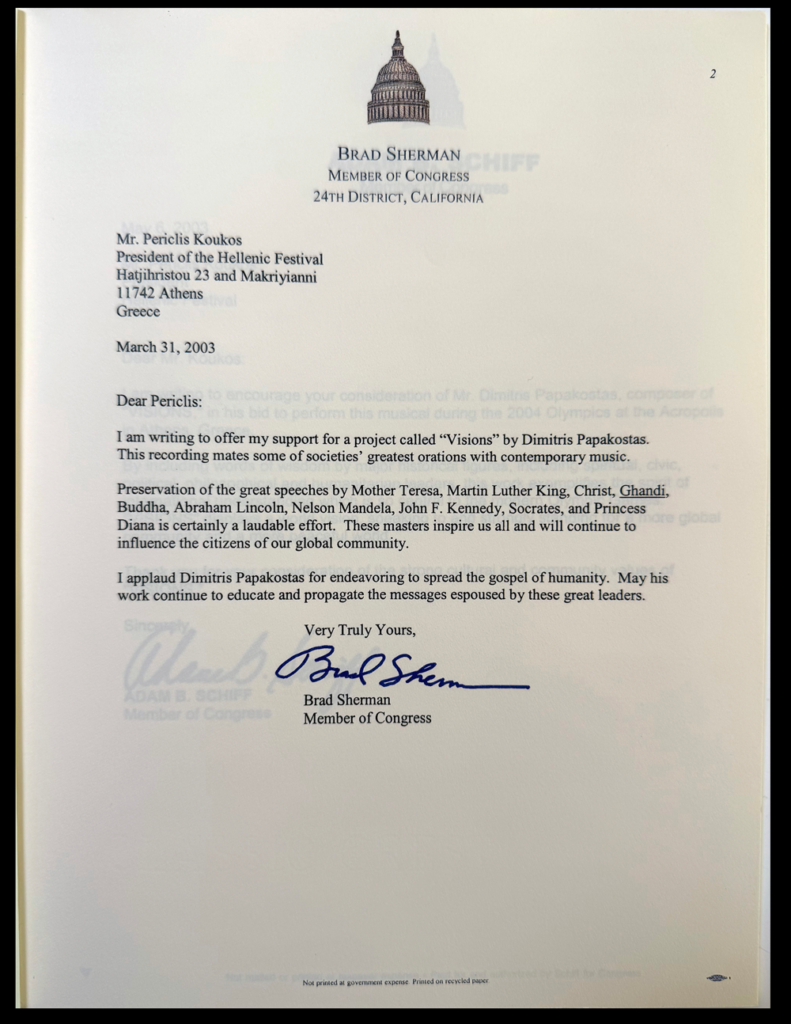
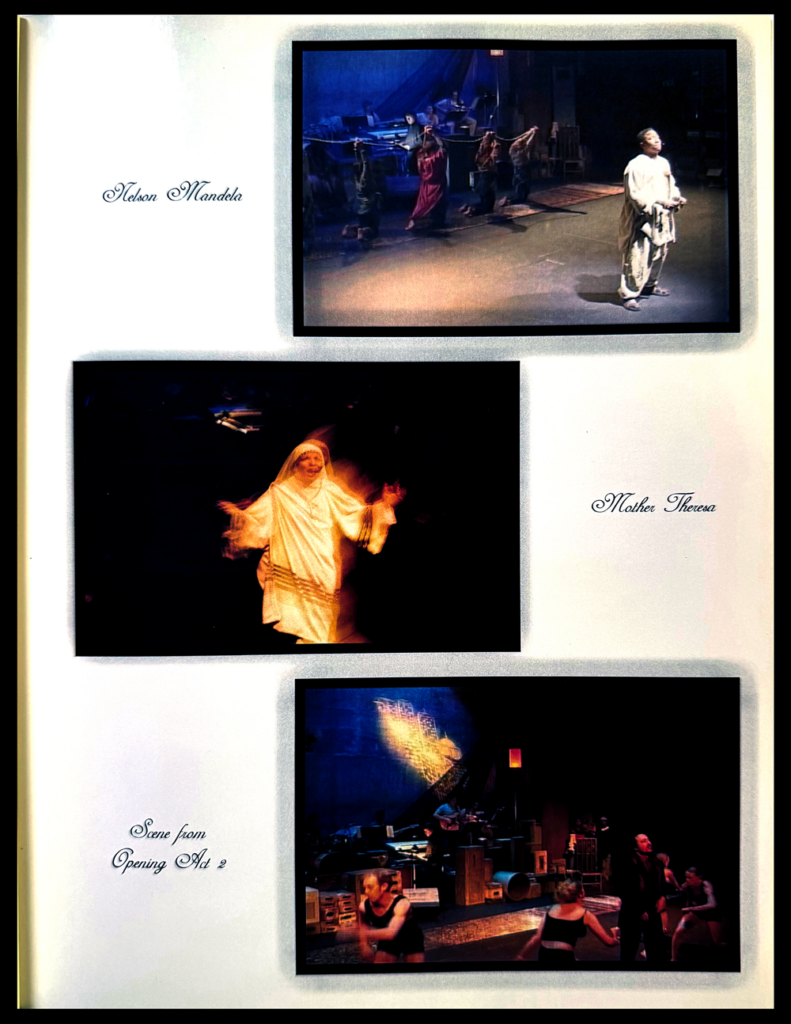
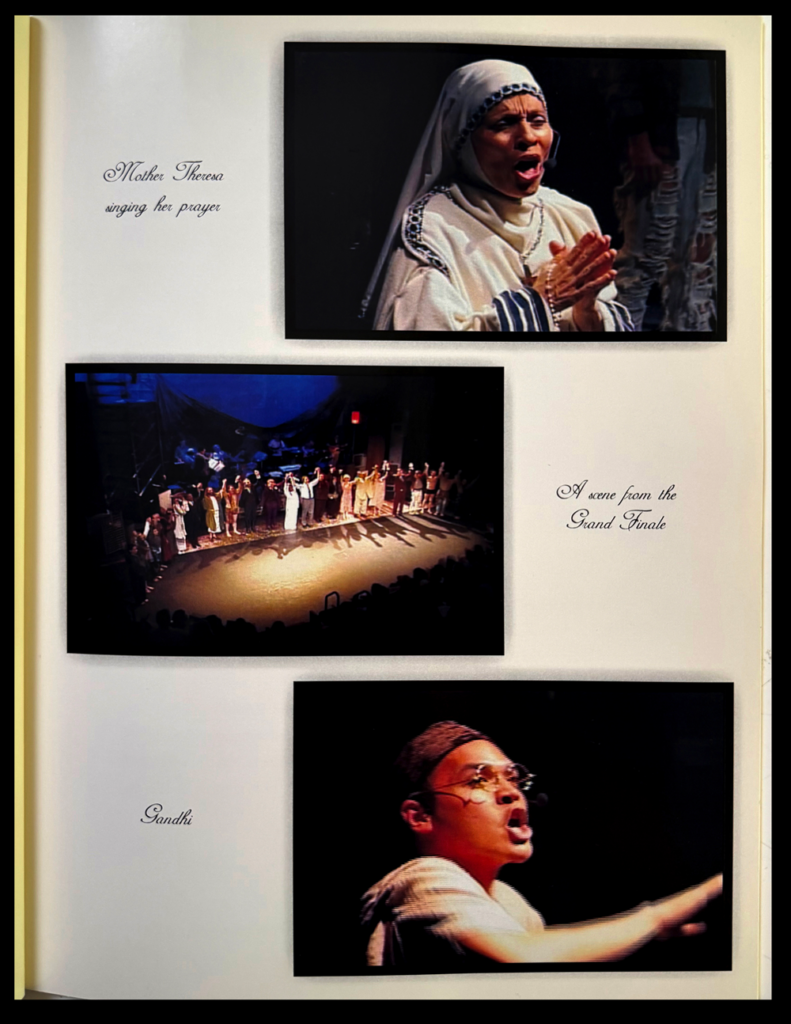
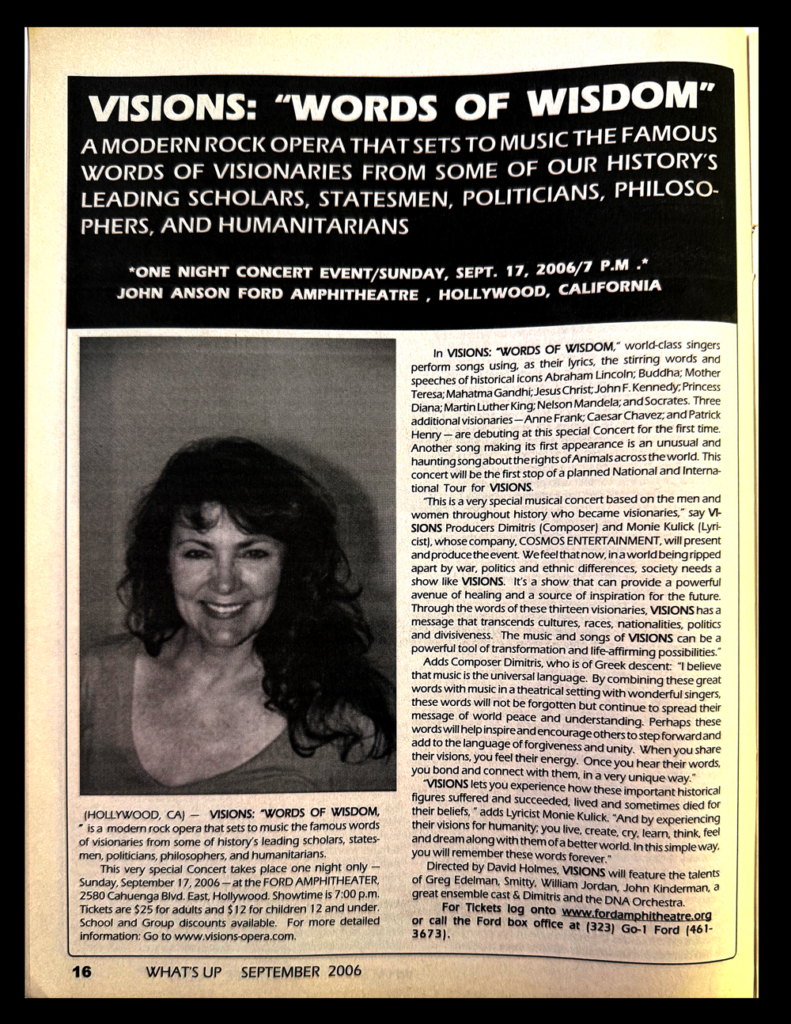
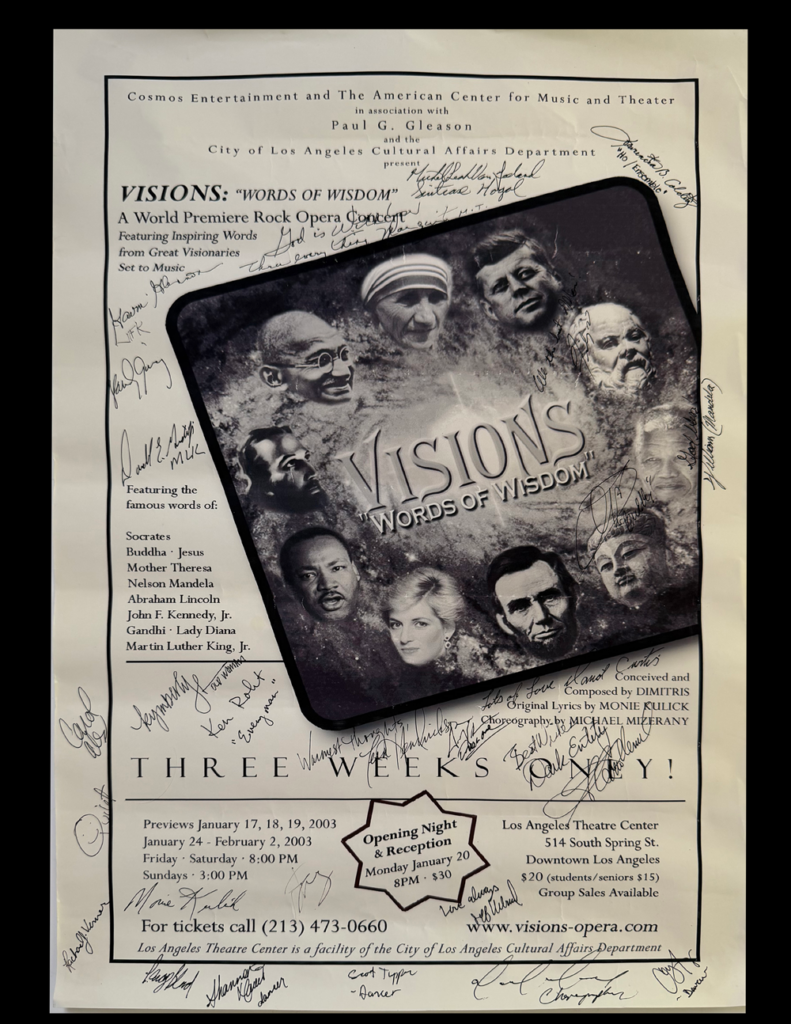
Visions — Words of Wisdom is an original rock opera composed by Dimitris Papakostas, professionally known as Dimitris, with the book co-written by Raymond Kulick and Dimitris Papakostas and lyrics by Raymond Kulick, with additional lyrics by Dimitris Papakostas.
Visions — Words of Wisdom
Visions — Words of Wisdom is an original rock opera composed by Dimitris Papakostas, professionally known as Dimitris, with book and lyrics by Raymond Kulick.
Production Background
Born out of the Southern California independent theater and music scene, Visions — Words of Wisdom has been developed and showcased through local creative circles, including the Los Angeles and North Hollywood performance communities.
The project combines rock music, theatrical storytelling, social commentary, and spiritual reflection, creating a stage work that asks a hard question: What does it profit a person to gain the world while losing the soul?
Real-Life Inspiration
Inspired by real events in the Los Angeles area, the production tells the story of a deeply faithful homeless woman whose life, suffering, and spiritual strength become the moral center of the piece. She is called to help save the soul of a wealthy but spiritually lost Wall Street executive—a man consumed by pressure, ambition, and moral compromise.
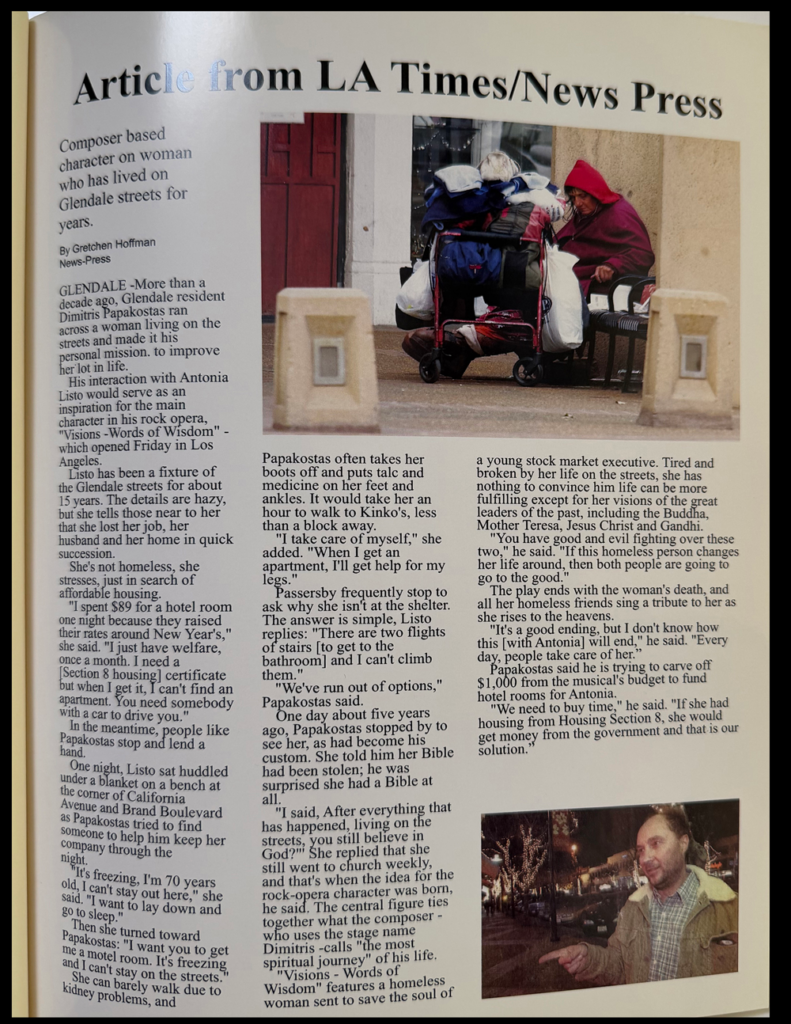
The central character was inspired by a real woman from Glendale, California, known as Listo. Despite serious leg and kidney problems, she refused to stay in local shelters because they could not properly accommodate her physical needs.
When composer Dimitris Papakostas encountered Listo, he was struck by her resilience, her dignity, and her unwavering faith in God—even after her Bible had been stolen. Her strength became the emotional and spiritual foundation for Visions — Words of Wisdom.
The Story
In the rock opera, homelessness is not portrayed as failure. Instead, the main character’s position outside conventional society gives her a rare kind of clarity. Removed from the greed, status, and noise of the modern world, she becomes a figure of wisdom.
Her mission is to guide a disillusioned corporate executive away from spiritual emptiness and toward a deeper understanding of morality, compassion, and purpose. Through music, conflict, and revelation, the story contrasts material success with inner truth.
Rise Again